You have a guitar, and now a store or website is offering you a starter bundle with a dozen extras. Some of those things you will use every day for years. Others will sit in a drawer. The trouble is that, as a beginner, you cannot yet tell which is which.
This guide sorts guitar accessories into three groups: what you need from the first day, what makes practice easier once you are playing regularly, and what can wait until you know what kind of player you are becoming. It explains what each item does and what to look for, without naming brands or picking favorites. A generic, inexpensive version of almost everything here works perfectly well.
The short list: what you need on day one
If you buy nothing else, get these four things.
1. A tuner
An out-of-tune guitar makes correct chords sound wrong, which is discouraging and teaches your ear the wrong sounds. Tune every time you pick up the instrument.
- Clip-on tuners attach to the headstock and read the vibration of the wood, so they work in a noisy room and on acoustic guitars without a pickup. For most beginners they are the most convenient option.
- Tuner apps on a phone use the microphone. They are fine in a quiet room, less reliable with background noise.
- Pedal tuners are for electric players with a pedalboard; they are not necessary at first.
Our guide to tuning a guitar shows how to use any of them.
2. A few picks
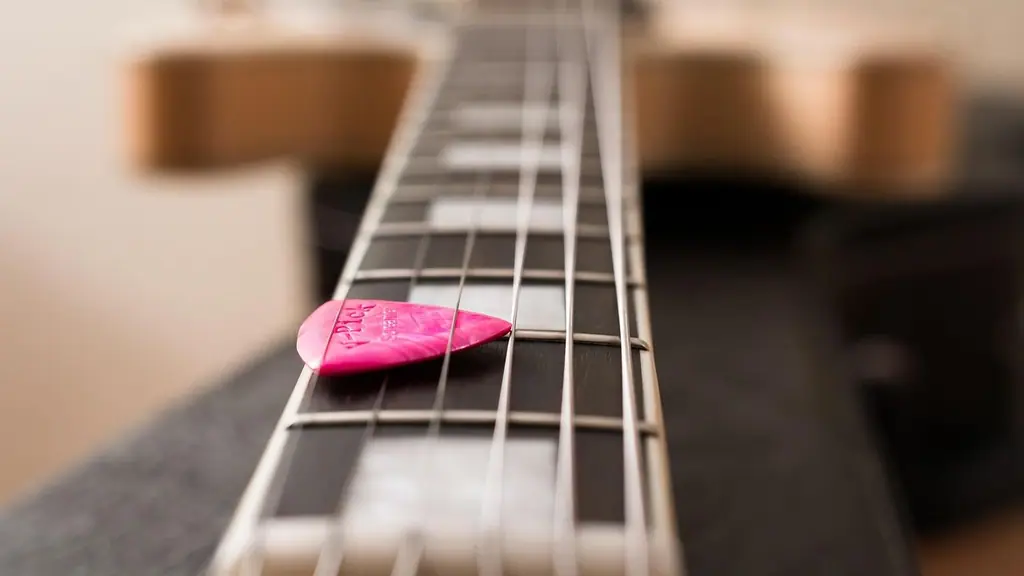
Unless you plan to play fingerstyle or classical guitar, you will need picks (plectrums). They are cheap and easy to lose, so buy several. Thickness is printed on most picks in millimeters, and makers group them roughly like this (the boundaries differ a little between companies):
| Thickness | Typical range | Feel and use |
|---|---|---|
| Thin (light) | under about 0.60 mm | Flexible and forgiving; easy strumming |
| Medium | about 0.60–0.80 mm (some makers say up to 1 mm) | All-round rhythm and single notes |
| Heavy (thick) | over about 0.80–1.0 mm | Stiff; precise, louder attack for single-note lines |
Martin suggests a standard medium plastic pick as a sensible first choice, with a thinner pick if you mainly strum. D'Addario gives about 0.60 mm as a starting point for acoustic strumming and roughly 0.73–0.88 mm for electric. The practical advice is simple: buy a mixed pack, try each for a week, and notice which one you keep reaching for. If the pick keeps slipping or twisting in your fingers, try a textured one, or hold it a little closer to the tip.
3. A spare set of strings
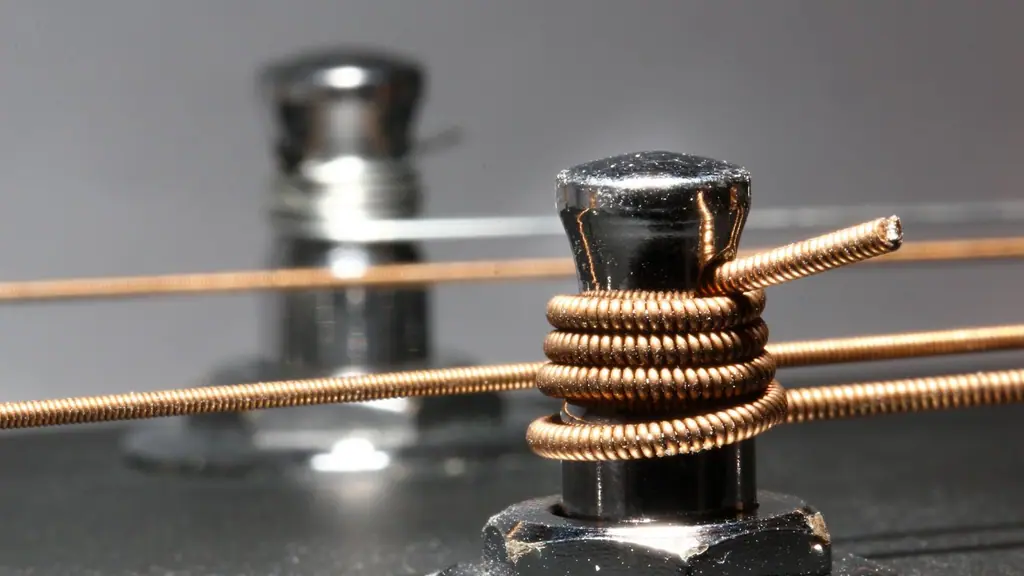
Strings break, usually at an inconvenient moment, and they lose their tone with use. Keep one spare set that matches what is on the guitar now: the same type (electric, steel-string acoustic or nylon) and the same gauge. Our guide to understanding guitar strings decodes the numbers on the packet.
4. Somewhere safe to keep the guitar
A guitar needs protection from knocks, dust and sudden changes in temperature and humidity.
- A gig bag (a padded soft case) is light and fine for carrying the guitar to a lesson and storing it at home.
- A hard case gives more protection against impact and helps keep humidity stable. It matters more if you travel, or if the guitar is valuable.
Thicker padding in a gig bag makes a real difference; a thin cloth cover protects only against dust.
Useful once you are practicing regularly
None of these are essential in the first week, but most players end up wanting them.
A strap. Even if you practice sitting down, a strap helps hold the guitar at a consistent angle and frees your fretting hand from supporting the neck. If you want to stand, it is essential. Check that your guitar has two strap buttons; many classical and some acoustic guitars have only one, at the base of the body.
A stand or wall hanger. A guitar that is out and ready gets played more than one zipped into a case. A stand also stops the guitar being leaned against a wall, where it can slide and fall. Do weigh this against storage: in a very dry or very humid room, a case is safer (see the humidity section below).
A metronome. Practicing in time is one of the most important habits you can build, and a metronome is how you do it. You do not need to buy one: our free online metronome works in your browser, and many phone apps do the same job.
A capo. A capo clamps across all the strings at one fret and raises the pitch of every open string, so that familiar chord shapes sound in a higher key. It lets you play along with recordings and singers without learning new shapes. Make sure it is designed for your guitar type: capos for flat-fretboard classical guitars differ from those for the curved fretboards of most steel-string guitars.
A music stand. Reading from a phone on your knee leads to hunching. A simple folding stand at eye level helps posture.
A string winder and cutters. These make string changes quicker and tidier. Many winders include a notch for pulling acoustic bridge pins.
Try this: set up a practice corner. Put the guitar on a stand (or in its open case), with the tuner, a pick and a printed practice plan beside it. For one week, tune and play for ten minutes every time you walk past, and note how much more you play when the guitar is ready to go.
For acoustic guitars: a hygrometer and humidifier
Acoustic guitars react to the moisture in the air. Taylor lists the symptoms of a guitar that has dried out, including sharp fret ends sticking out of the fretboard, strings sitting lower and buzzing, and a sunken top. Left too dry for too long, the wood can also crack. Taylor Guitars gives 45–55% relative humidity as the optimal range for its instruments, and D'Addario describes 40–60% as generally safe.
Whether you need a humidifier depends on where you live and how you heat your home:
- Start with a hygrometer, a small humidity gauge. Taylor recommends a digital one, kept in the guitar's case.
- If readings regularly fall below the safe range, typically when indoor heating runs in winter or in desert climates, use a case humidifier. Soundhole humidifiers sit between the strings; others go in the case near the headstock.
- Keep the guitar in its case with the humidifier, rather than on an open stand, during dry spells.
- If readings are high (a damp climate or summer), the answer is usually a drier room or a two-way humidity control pack, not a humidifier.
D'Addario notes that electric guitars are affected too, especially at the neck, though acoustic guitars are the most vulnerable. Our guide to guitar maintenance covers humidity, cleaning and storage in more depth.
For electric guitars: a cable and something to plug into
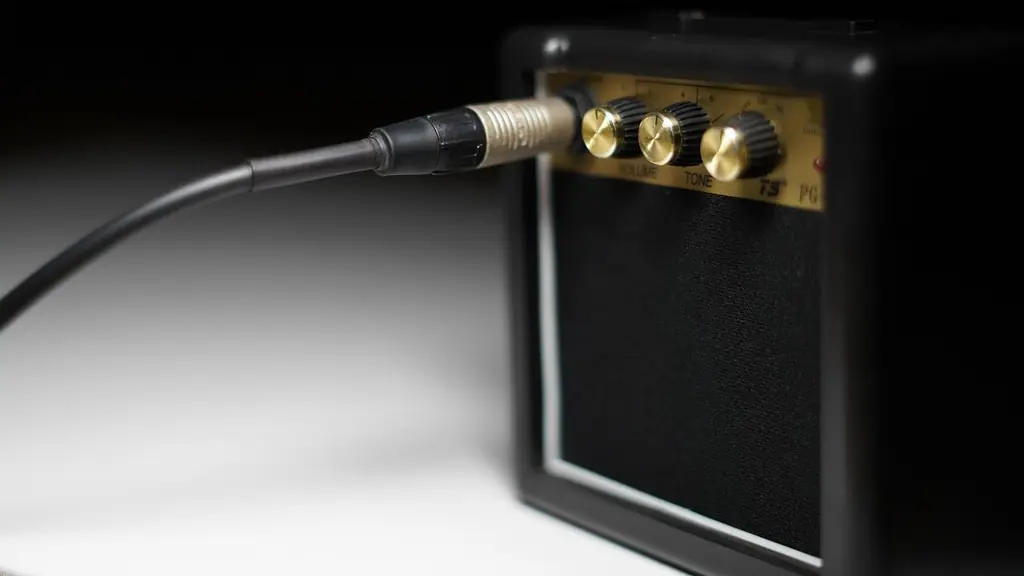
An electric guitar needs an instrument cable (a standard 1/4-inch, or 6.35 mm, jack at each end) and an amplifier, or a headphone amp or audio interface for silent practice. A short, sturdy cable is better than a long, thin one. If you are choosing an amp, our guide to choosing a guitar amp explains what size and features suit home practice.
Safety: turn the amp volume down before plugging in or unplugging the cable, and keep headphone volume moderate. Long sessions at high volume can damage hearing.
What can wait
These are not bad purchases, but they are better made later, once you know what you want:
- Effects pedals. Learn your amp's own sounds first. When you are ready, our overview of effects pedals explains what each type does.
- Specialty picks (metal, stone, very thick or unusual shapes). Find your preferred thickness first.
- Expensive cables, cases and straps. A sturdy basic version does the same job.
- Slides, e-bows and other technique gadgets. They are fun, but they make sense only when you are learning the technique.
- Cleaning kits full of polishes and oils. A soft, dry cloth does most of the work. Use any finish polish or fretboard conditioner only as the guitar's maker recommends.
A one-page checklist
| When | Item | Why |
|---|---|---|
| Day one | Tuner | Every practice starts in tune |
| Day one | Several picks of different thickness | Find what suits your hand |
| Day one | One spare set of matching strings | Breakages happen |
| Day one | Gig bag or case | Protection and storage |
| First months | Strap, stand, capo, music stand | Comfort and easier practice |
| First months | Metronome (app or our free tool) | Timing from the start |
| Dry climates, acoustic | Hygrometer, then a humidifier if needed | Protects the wood |
| Electric | Cable and amp or headphone amp | You cannot hear it otherwise |
| Later | Pedals, specialty gear | Once you know your style |
Spend the first months' budget on lessons, a good setup, and time with the instrument rather than on extras. The players who improve fastest are rarely the ones with the most accessories; they are the ones whose guitar is in tune, within reach and played most days.
Sources
- How To Choose A Guitar Pick, D'Addario
- Guitar Pick Buying Guide, C.F. Martin & Co.
- How to Use a Guitar Humidifier, Taylor Guitars
- How Often Should You Change Guitar Strings?, Taylor Guitars
- Symptoms of a Dry Guitar, Taylor Guitars
- Guitar Humidity and Humidifiers: A Complete Owner's Guide, D'Addario