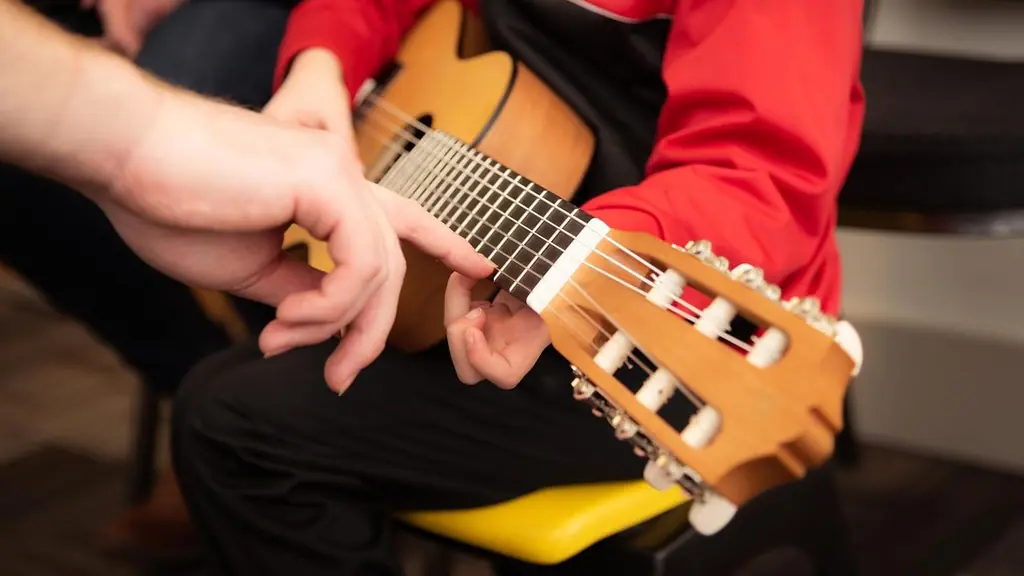
You do not need to play the guitar to help your child learn it. What a young beginner needs most at home is not a virtuoso but a calm, organized helper: someone who keeps the guitar in tune, makes practice a regular part of the day, keeps sessions short and focused, and notices progress.
This guide gives non-musician parents a simple method for doing exactly that. It covers setting up, what a short home lesson looks like, what to teach in the first weeks, how to give feedback that helps, and when it is time to bring in a teacher. If your concern is more about keeping a reluctant child going, our companion article on helping your child stick with an instrument focuses on motivation.
Set up for success
Most practice problems at home are really setup problems. Get these right first.
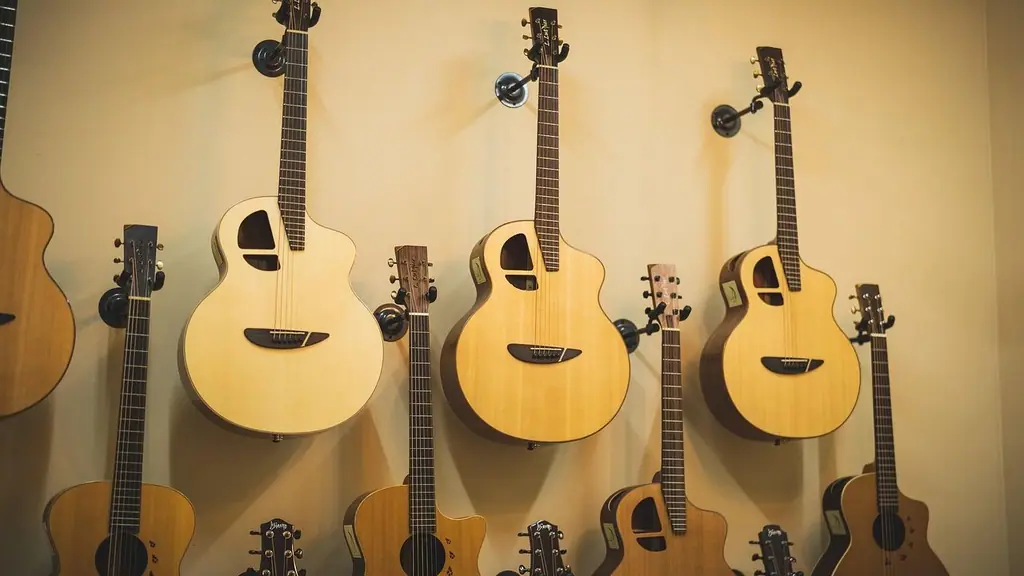
A guitar that fits and plays easily. A guitar that is too big, or whose strings sit too high, makes every exercise harder. Thomann's guide to children's guitars stresses having the child try the instrument, because arm and finger length vary so much. Our guide to guitar sizes by age and height explains the fit test, and choosing a child's first guitar covers setup.
A practice spot. Choose a chair without arms, at a height where your child's feet rest flat on the floor (use a footstool or a sturdy box if not). Keep the guitar on a stand or in an open case there, with a clip-on tuner and a pencil.
A fixed time. Practice that happens "when there's time" rarely happens. Attach it to something that already occurs every day: after breakfast, after homework, before a favorite show.
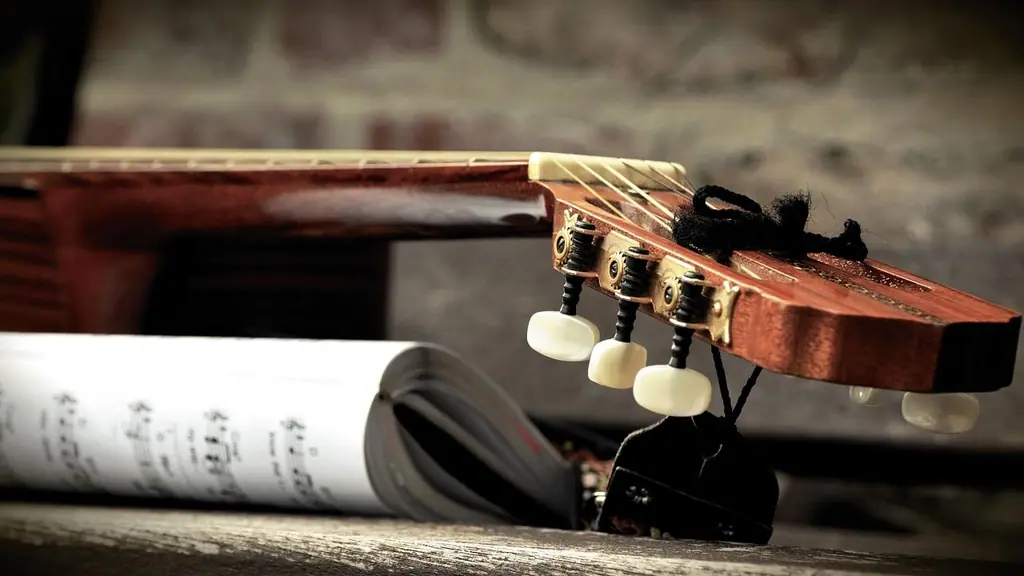
A tuner and five minutes to learn it. Clip the tuner on the headstock, pluck one string, and turn its peg until the display shows the right note: E, A, D, G, B, E from the thickest string to the thinnest. Our guide to tuning a guitar walks through it. Tune at the start of every session; at first, do it together, and gradually hand it over.
How long, and how often?
Music Mark, a UK music education organization, recommends spreading practice evenly through the week, beginning with short sessions and lengthening them as learners become more independent. It also notes that parents and carers can usefully help with those early sessions.
For most young beginners, around 10 to 15 minutes on most days is a sensible starting point, and very young children may manage five. These are suggestions, not targets: stop while it is still going well. The University of Texas Center for Music Learning also suggests splitting practice into shorter sessions and stopping before you feel ready to quit.
A 12-minute home lesson
Use the same simple structure every time. Children like knowing what comes next, and you will not need to plan from scratch.
| Minutes | Step | What you do |
|---|---|---|
| 0–2 | Tune and settle | Tune together; check posture: feet flat, guitar on the leg, shoulders relaxed |
| 2–4 | Warm-up game | An open-string rhythm game or a finger walk |
| 4–9 | Today's one thing | One small new skill or one tricky bit, practiced slowly |
| 9–11 | Play something known | A tune or chord song your child can already play |
| 11–12 | Wrap up | One sentence: what went well today; a sticker or tick on the chart |
The "one thing" is the heart of the session. The University of Texas guidance advises working on one small, specific element at a time and making it really good, rather than improving many things a little. For a child, that might be "make all six strings ring in E minor" or "change from E minor to A minor without stopping".
Our easy guitar exercises for children give you ready-made warm-up games and "one thing" ideas.
What to teach in the first weeks
If your child is not having lessons yet, this sequence works well. Move on when a step is comfortable, not by the calendar.
- Holding the guitar and the pick, and plucking each open string cleanly.
- Names of the open strings: E, A, D, G, B, E.
- Steady strumming on open strings with the metronome at about 60–70 beats per minute.
- A one-finger tune on the thinnest strings.
- First chords: E minor, then A minor, then E major, with slow changes between them.
- A two-chord song, strumming four times on each chord.
Our list of the first chords to learn explains why this order works and what comes next.
Giving feedback that helps
You do not need to know the "right" answer to give useful feedback. You only need to listen and ask.
- Ask, then listen. "Did every string ring?" "Was that faster or slower than the click?" Questions like these teach your child to listen to their own playing, which is a skill they will use for as long as they play.
- Fix one thing at a time. If five things are wrong, pick the one that matters most (usually a buzzing string or a missed beat) and leave the rest for another day.
- Slow it down. Almost every problem gets easier at half speed. Slowing down is a strategy, not a punishment.
- Point out specific progress. "You changed chords without stopping that time" is more useful than "good job", and shows your child exactly what to repeat.
- Keep your hands off the guitar, mostly. Showing on your own guitar, or pointing, is fine; taking the instrument away tends to end the session.
If you are learning too: some parents learn alongside their child. It can be fun and motivating, but avoid competing. Let your child teach you something they have learned; explaining a skill is good practice, and most children enjoy being the expert.
Celebrate small goals
Progress on the guitar is slow enough that children often do not notice it. Make it visible.
- A practice chart with a tick or sticker for each session. Our printable practice sheets include a weekly log and a beginner skills checklist you can tick off together.
- Short recordings. Record one tune on your phone every couple of weeks. Listening back to the first recording a month later is often the most convincing evidence of progress there is.
- Small audiences. A one-song performance for a grandparent, a sibling or a video call gives practice a purpose.
- Celebrate consistency. A full week of short sessions deserves as much celebration as a new song.
When to find a teacher
Home teaching works well for getting started, but a good teacher brings things you cannot: correct technique, a structured path, accurate feedback, and the motivation of someone outside the family. Consider a teacher when:
- your child is keen and practicing regularly, and wants to go further than you can guide them;
- the same problem keeps coming back, especially anything involving tension, posture or pain;
- practice at home has become a battle between you;
- your child wants to play with others, take exams or perform.
The Music Teachers National Association suggests asking people you know for recommendations, interviewing teachers before committing, and asking whether you can attend a student recital. Useful questions from its list include:
- How long have you taught, and which age groups do you work with?
- What styles of music do you teach?
- Do you have a written studio policy we can read?
- How often do you evaluate students' progress?
- How much practice do you expect each day?
- What do you expect from students and from parents?
Even with a teacher, your role at home stays the same: a regular time, a tuned guitar, short sessions and real interest in what your child is learning.
Safety: string changes involve sharp ends and cutters, and a string can whip back if it breaks under tension. Adults should handle string changes, with eye protection, or supervise closely.
Sources
- Practising (A Common Approach), Music Mark
- Tips for Effective Practice, Center for Music Learning, The University of Texas at Austin
- Choosing a Music Teacher, Music Teachers National Association
- Guitars for Kids: According to Age and Height, Thomann