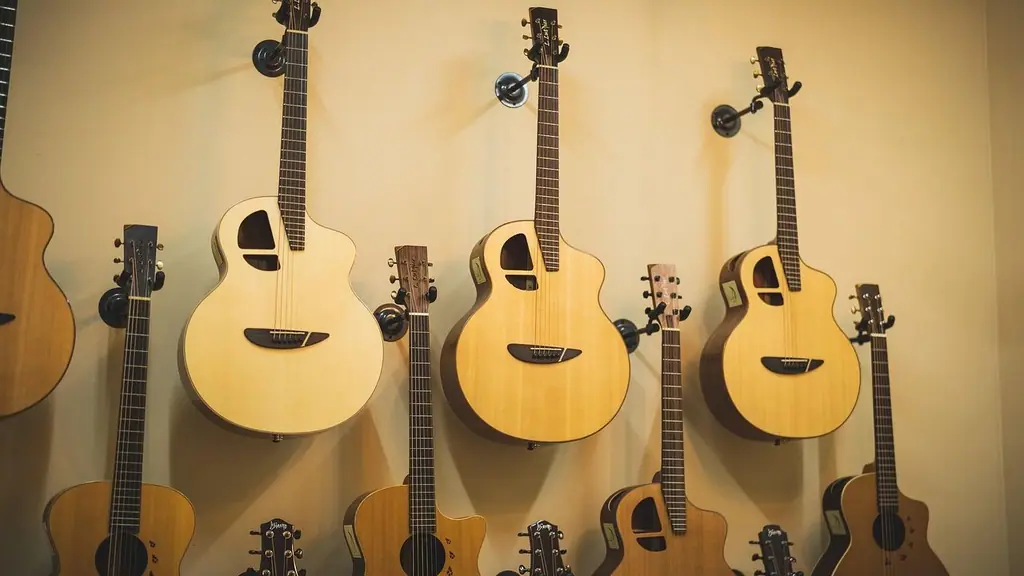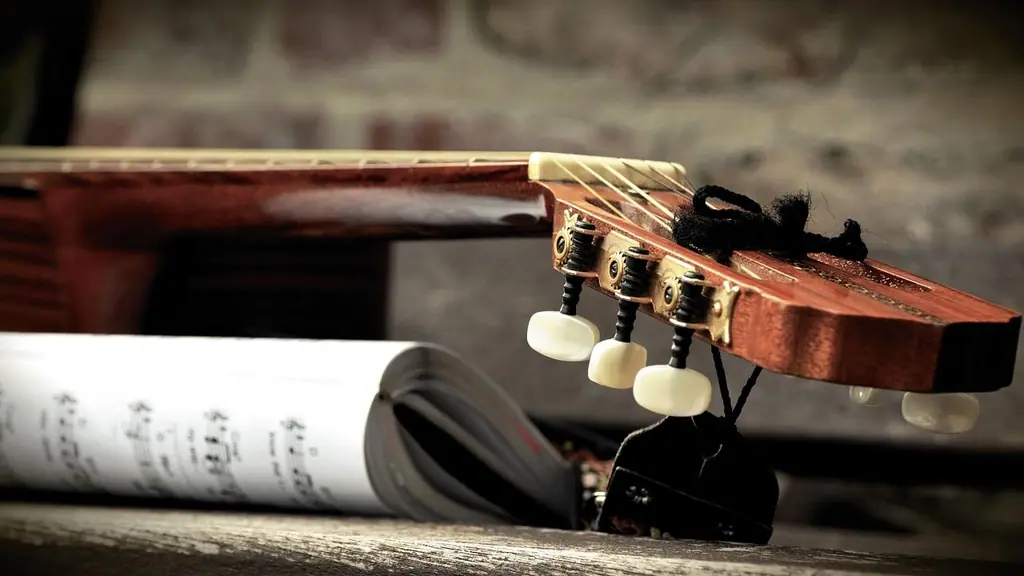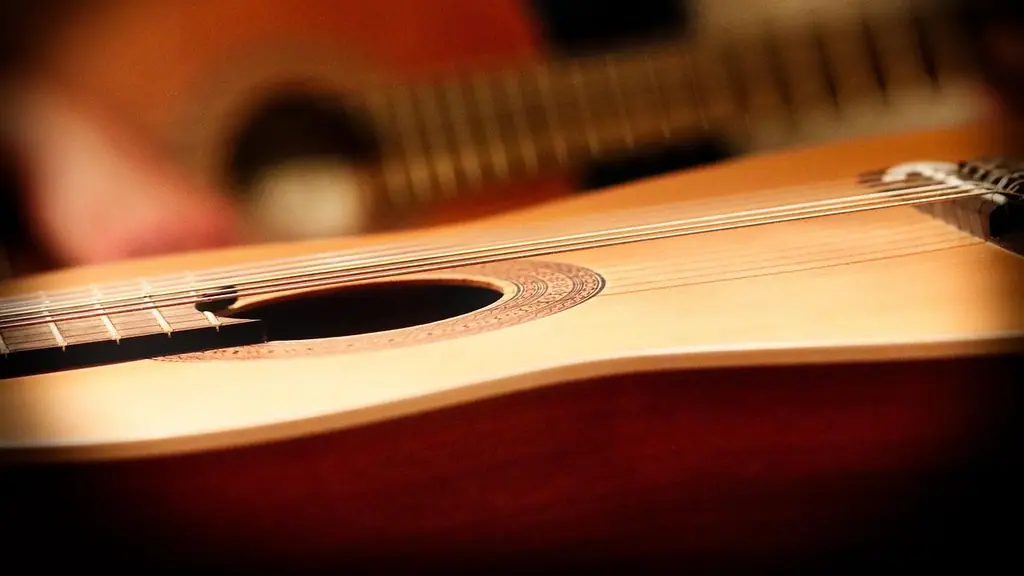
Your child wants to play the guitar. That is the easy part. The next step is a wall of instruments in every size, color and price, a choice between nylon strings, steel strings and electric, and well-meaning advice that ranges from "just get a cheap one to see if they stick with it" to "buy the best you can afford".
The decision matters more than it might seem. A guitar that is too big, too hard to press or impossible to keep in tune makes the first weeks miserable, and those first weeks are when children decide whether guitar is for them. A guitar that fits and plays easily does the opposite.
This guide walks through the choices in the order that matters: size first, then type, then playability, then budget. It names no brands as recommendations; examples of specifications come from makers' published data, so you can compare like with like. You do not need to play the guitar yourself to follow it.
1. Size comes first
Children's guitars are sold as fractions of a full-size instrument: 1/4, 1/2, 3/4 and 7/8, then 4/4 (full size). The fraction is only a label. What changes the reach is the scale length, the vibrating length of the string from the nut at the headstock end to the saddle on the bridge. A shorter scale puts the frets closer together, so small hands can cover them.
As a rough guide, with plenty of overlap, a 1/4-size guitar suits children under about 120 cm (3 ft 11 in) tall, a 1/2 size about 120–135 cm, a 3/4 size about 135–150 cm, a 7/8 size about 150–160 cm, and a full size from about 160 cm (5 ft 3 in). Height is a better guide than age. Our full guitar size chart by age and height adds typical ages and scale lengths for each size and explains how to measure, and the interactive guitar size guide suggests a size from your child's measurements.
Charts vary. Guitar sizes are not standardized, and published charts disagree by a year or two of age and sometimes by a whole size. Thomann's guide, for example, puts 1/2-size guitars at about 120–140 cm and ages 7–9, and stresses that arm and finger length matter more than age. Compare actual scale lengths where you can: Yamaha's 1/2-size school classical guitar, for instance, lists a scale length of 535 mm (21 1/16 in).
If you can, take your child to try instruments in person, and use the quick elbow check and the seated fit test described in the sizing guide. A guitar that fits in the hands beats any chart.
Between sizes? The usual advice is to choose the smaller one. A guitar that is slightly small is still easy to play; one that is too big makes every chord a stretch and encourages awkward posture.
2. Nylon, steel or electric?
There are three main kinds of guitar, and each can be a good first instrument for a child.
| Classical (nylon strings) | Steel-string acoustic | Electric | |
|---|---|---|---|
| Feel on the fingertips | Softest | Firmest | Light, with light strings |
| Neck | Wide, flat | Narrower | Usually narrowest |
| Small sizes available | Widest choice (1/4 to 7/8) | Mostly 3/4 and compact models | Some short-scale and 3/4 models |
| Extra equipment | None | None | Amplifier or headphone amp, cable |
| Sound | Warm, mellow | Bright, louder | Depends on amp and settings |
Classical (nylon-string) guitars are the traditional choice for young children, and the most widely available in small sizes. Thomann's guide recommends them for children because nylon strings are softer on the fingers and lower in tension. The neck is wider than on steel-string guitars, which gives fingers room but can be a stretch for very small hands.
Steel-string acoustics suit children who want the sound of the folk, pop and country music they hear. Steel strings are firmer on young fingertips, so a smaller body with a short scale and light-gauge strings helps. Taylor, for example, describes its compact Baby model as having a 22-3/4 in scale, and notes that a shorter scale lowers string tension and brings the frets closer together.
Electric guitars surprise many parents: with light strings and a low action, many players find them the easiest guitars to press. The catch is the extra equipment, and the need to keep volume sensible. Some short-scale and 3/4-size electrics exist. Our comparison of acoustic and electric guitars for beginners goes through the trade-offs in detail.
The best choice is usually the one that matches the music your child wants to play. A child who dreams of rock riffs may lose interest on a classical guitar, and a child who loves fingerpicked folk songs will be happier on an acoustic.
3. Playability matters more than looks
Two guitars of the same size and price can feel completely different to play. The difference is usually the setup: how high the strings sit above the frets (the action), how the nut slots are cut, and whether the neck has the right slight curve.
A high action means the strings need much more pressure, which hurts small fingers and makes chords buzz. Yamaha's guide to making acoustic guitars easier to play lists the usual fixes: lowering the action at the saddle, adjusting the neck relief with the truss rod, recutting the nut slots, and using lighter strings. Most of these are jobs for a technician, and many music stores will set up a guitar when you buy it if you ask.
Simple checks you can do in the store, without playing:
- Press a string at the 1st fret. It should go down easily, without a big gap between string and fret before it touches. Try the same at the 5th fret.
- Look along the strings at the 12th fret. If they sit noticeably high above the fretboard, ask whether the action can be lowered.
- Run a finger along the edge of the fretboard. Sharp fret ends poking out are uncomfortable and are often a sign that the wood has dried out.
- Turn each tuning peg. They should move smoothly and hold.
- Ask the store to tune it and play it, so you can hear whether it stays in tune.
A real instrument, not a toy. Thomann's guide makes the point that even the smallest sizes should be proper instruments built to the same standard as full-size guitars. A toy that will not stay in tune teaches nothing and frustrates everyone.
4. Budget: new, used or rented
You do not need an expensive guitar, but the very cheapest instruments often have high action, poor tuners and fret ends that need work, which can cost more to fix than the guitar did. A modest, well-set-up instrument from a reputable maker or music store is usually the best value. Prices change constantly, so compare current options at local stores, and ask what is included (a gig bag, a setup).
Options worth considering:
- Buying new from a music store gives you a warranty, usually the chance to swap if the size is wrong, and often a setup.
- Buying used can be excellent value, particularly as children outgrow sizes. Check for cracks in the wood, a lifting bridge, a warped neck and working tuners, and budget for new strings and possibly a setup.
- Renting is offered by many music stores and some schools, sometimes with rent-to-own terms and the option to move up a size. It is worth asking about, especially for younger children who will outgrow a guitar quickly.
- Borrowing from family or friends, followed by a setup, is a sensible way to test interest.
Questions to ask before you buy:
- Will you check and adjust the setup (action, nut, neck) before we take it home?
- If the size turns out to be wrong after a week or two, can we exchange it?
- What strings are fitted, and can you fit lighter ones if pressing them is hard?
- Is a gig bag or case included, and does it fit snugly?
- If we rent, can we move up a size as our child grows, and does any rent count toward buying?
- Is there a returns period, and what does the warranty cover?
A store that answers these questions patiently is usually a store worth buying from.
Set aside a little for essentials: a tuner, spare strings and a soft case. Our list of beginner accessories explains which ones matter first.
5. Consider a ukulele first
For very young children, or any child whose hands are small for even the smallest guitars, a ukulele can be a good start. It is small, its four nylon strings are gentle on fingers, and many chords need only one or two fingers. A Yamaha article for music educators notes that ukulele skills carry over to larger string instruments later, and that uke strings are gentler on fingers than the metal strings of a guitar.
The tuning of a standard ukulele (G–C–E–A, from the string nearest your chin) uses the same notes as the top four strings of a guitar with a capo at the 5th fret (the ukulele's G string is usually tuned an octave higher), so chord shapes learned on a ukulele transfer directly to the guitar later, under different chord names.
Bringing it home
Before the first practice:
- Tune it, and buy a clip-on tuner so you can tune it every time.
- Set up a practice spot with a chair without arms, at the right height for your child's feet to rest flat (a footstool helps), and the guitar on a stand or in an open case.
- Plan short, regular sessions. Ten minutes most days is a good start; our guide to teaching your child guitar at home explains how to run them, even if you do not play.
- Start with fun. Our easy guitar exercises for children are designed for the first weeks.
If your child has small hands for their age, or the guitar still feels hard to play after a setup, see our guide to guitar for small hands. And when enthusiasm dips, as it does for most learners at some point, our article on helping your child stick with an instrument has practical ideas. More guides for parents and young players are collected in the kids and families topic.
Sources
- Guitars for Kids: According to Age and Height, Thomann
- CGS102AII 1/2-Size Classical Acoustic Guitar (specifications), Yamaha USA
- Small Bodies, Big Appeal, Wood & Steel, Taylor Guitars
- How to Make Your Acoustic Guitar Easier to Play, Yamaha
- Ukuleles: Why You Need Them, Yamaha Music Educators