
Techniques
Alternate Picking: Building Clean, Even Picking
Build clean, even alternate picking: a relaxed grip, small motion, one- and two-string drills, inside and outside string changes and a metronome speed ladder.
Every lesson and guide published on GuitarPlayerTV, newest first: beginner guitar, chords, theory, technique, gear, maintenance and guitar for families.
Build clean, even alternate picking: a relaxed grip, small motion, one- and two-string drills, inside and outside string changes and a metronome speed ladder.

Learn to strum in time: the constant down-up hand motion, counting 1 & 2 &, ghost strums, accents and muted chucks, with five original patterns to practice.
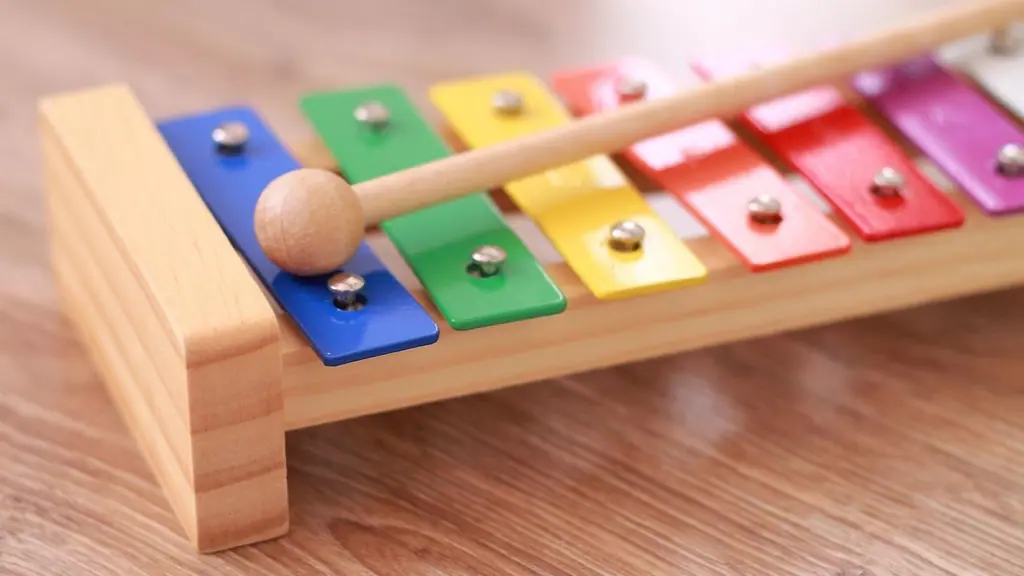
Simple music theory for children learning guitar: high and low, steady beat, long and short sounds, letter names and color-coded strings, taught through short games.

Learn to read guitar tab: string order, fret numbers, chords, technique symbols and what tab leaves out, plus note values and counting so you can play rhythms right.

How the CAGED system turns five open chord shapes into a map of the whole neck: C major in all five shapes, where the roots are, and the common misunderstandings.

Learn the major, natural minor and pentatonic scales on guitar: their formulas, one movable shape for each, how relative keys work and how to practice them well.
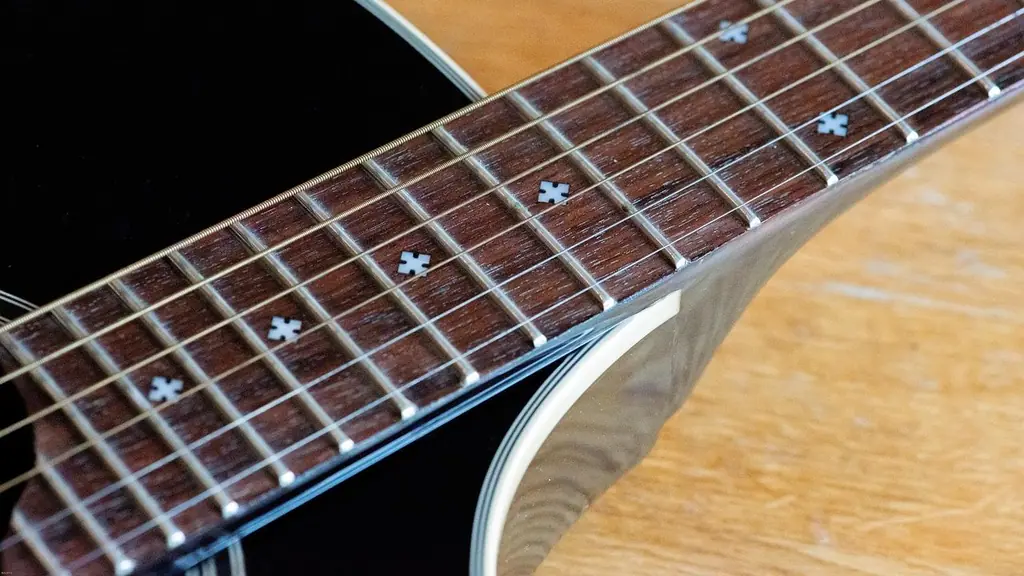
Learn every note on the guitar neck step by step: open strings, natural notes, the 5th, 7th and 12th fret landmarks, octave shapes, and short daily drills.
The music theory every guitarist needs, shown on the fretboard: notes and half steps, the major scale formula, intervals, triads, keys and I-IV-V chord numbers.
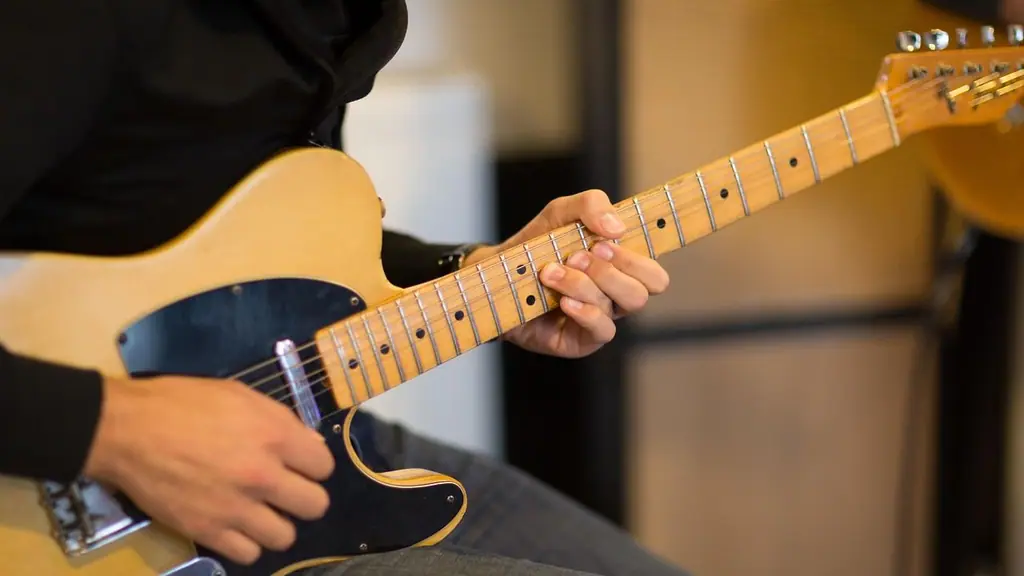
What a power chord is (root, fifth and octave), why it is neither major nor minor, the movable root-6 and root-5 shapes, muting, and why it suits distortion.

Build up to barre chords step by step: index-finger and thumb placement, the small F, E-shape and A-shape barres, finding roots, and fixes for buzzing strings.

Exercises for faster, cleaner chord changes: anchor and guide fingers, moving fingers as one shape, one-minute changes and metronome ladders that build speed.

Learn Em, Am, E, A, D, G, C and Dm in an order where each chord reuses fingers from the last, with first progressions to practice and why F can wait.