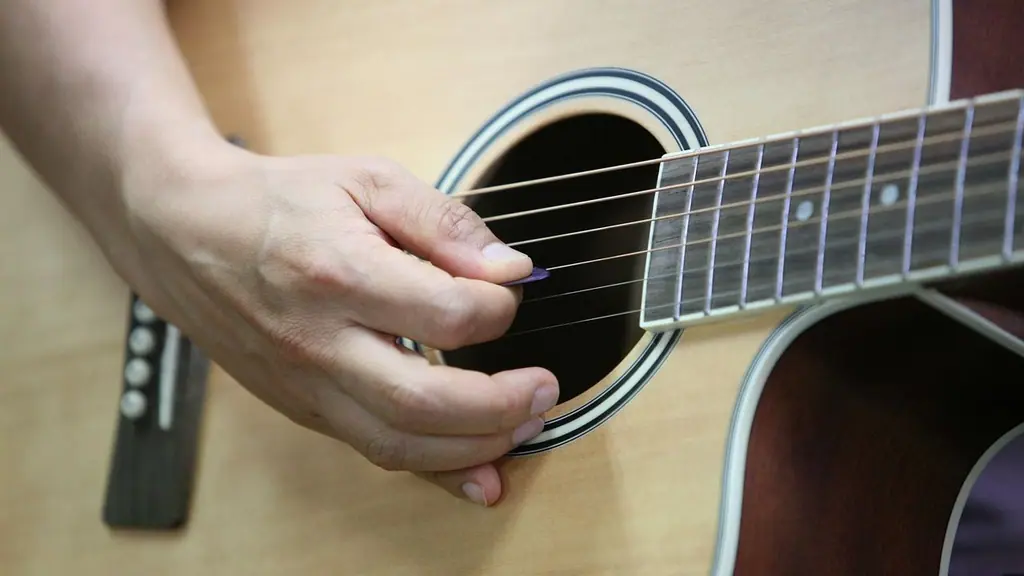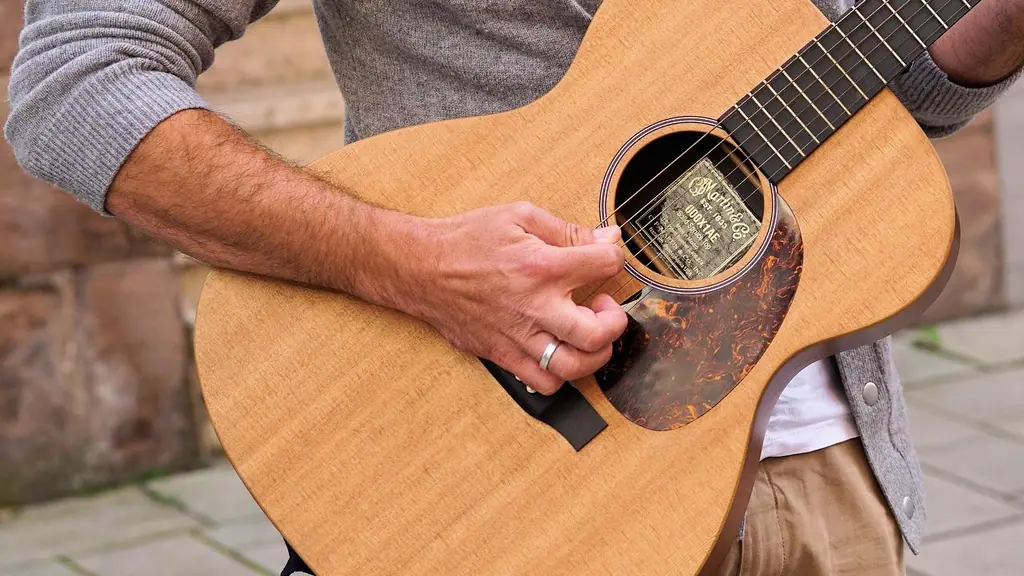
Perhaps you played a little as a teenager and stopped, or you have always wanted to learn and finally have a guitar in the corner of the room. Either way, you are probably wondering whether it is too late, how much time it will really take, and how to fit it around work, family and everything else.
It is not too late. Adults learn instruments all the time, and they bring real advantages to the process. They also face particular obstacles, mostly to do with time, fatigue and expectations. This guide sets out what the first months usually involve, how to organize practice in a busy week, how to use the strengths you already have, and how to decide between lessons and teaching yourself.
What the research does and doesn't say
You may have seen claims that adults "can't" learn music properly, or, at the other extreme, that playing will transform your brain. The evidence is more modest and more encouraging than either.
A 12-month study published in PLOS ONE followed 68 older adult beginners learning keyboard skills online with a teacher. Using objective measurements of their recordings, the researchers found that melody perception, melody replication and improvisation skills were learned progressively, and were still there at a six-month follow-up. A related study led by the University of Sheffield, following the same kind of complete novices for a year, also reported improvements in some cognitive and motor skills, while noting that more research is needed.
Two cautions keep this in perspective. These studies involved keyboard rather than guitar, and older adults rather than all ages. And researchers still disagree about how far music training improves abilities outside music. What the evidence does support is the simple point that matters most here: adults who start from zero can learn real musical skills, and keep them.
Realistic expectations for the first months
Progress on guitar is not a straight line. Most adult beginners go through a similar sequence, at very different speeds:
- The physical phase. Fingertips are sore, chords feel cramped, and the guitar seems awkward to hold. This is the hardest part, and it passes as calluses form and your hands learn the shapes.
- The first chords phase. You can play several chords on their own, but changes between them are slow.
- The first songs phase. Changes speed up enough to keep a simple song going in time, even if not at full tempo.
- The plateau. Progress seems to stall for a while. This is normal, and it usually breaks when you change what you practice rather than practicing more of the same.
How long each phase lasts depends on practice time, the guitar, the music you choose and your hands. Anyone who promises you will be playing a specific song by a specific date is guessing.
Your strengths as an adult learner
Adults sometimes compare themselves unfavorably with children, but you have advantages a child does not.
- You can understand why. When you learn that A minor and C major share two notes, or that a barre chord is a movable version of an open shape, the idea sticks. A little music theory makes guitar far less of a memory test.
- You can choose your own goals. You know what music you love. Learning a song you care about is the strongest motivator there is.
- You can plan. You can organize short sessions, track progress and adjust your approach, which is exactly what effective practice looks like.
- You can judge advice. D'Addario's technique article makes the point that there is more than one valid way to hold a pick or place a hand, and that small adjustments for your own body can make a big difference. Adults are often good at noticing what works for them.
Fitting practice into an adult week
Time is the obstacle most adults mention first. The good news is that frequent short sessions are more effective than rare long ones. The Center for Music Learning at the University of Texas at Austin recommends dividing practice into shorter segments, and stopping before you really want to stop.
Practical ways to make that happen:
- Keep the guitar out. A guitar on a stand gets played; a guitar in a case under the bed does not.
- Attach practice to an existing habit. Ten minutes after your morning coffee or before dinner is easier to keep than "sometime today".
- Set a minimum, not a maximum. Commit to ten minutes. On good days you will play longer.
- Plan the session before you sit down. Decide your one goal for the day, so you don't spend the time wondering what to do.
| Day | Time | Focus |
|---|---|---|
| Monday | 15 min | Tune, warm up, new chord |
| Tuesday | 10 min | Chord changes with metronome |
| Wednesday | 15 min | Strumming pattern on known chords |
| Thursday | 10 min | Changes again, a little faster |
| Friday | 20 min | Work on a song you love |
| Saturday | 20–30 min | Play through everything; record yourself |
| Sunday | Rest or play just for fun | — |
If you want a plan built for the exact time you have, try our practice routine generator.
Try this: at the end of each session, write one sentence describing something specific you can now do, such as "changed from G to C on the beat four times in a row". The University of Texas researchers recommend naming concrete achievements like this. After a month, read the list back.
Keeping your hands comfortable
Adult hands are perfectly capable of playing guitar, but they may need a gentler start, especially if you have spent years typing or have stiff joints.
- Warm up first. The Hospital for Special Surgery recommends warming up before playing to increase blood flow to the muscles, and taking breaks during long sessions. A few minutes of gentle movement and slow playing is enough; see our guitar warm-up routine.
- Make the guitar easier. Lighter strings and a professional setup that lowers the string height reduce the effort needed for every chord.
- Consider size and shape. A smaller-bodied guitar or shorter scale length can be more comfortable for some players, regardless of age.
- Relax the grip. Most adults press much harder than necessary. Our guide to holding the guitar and pick without tension explains how to find the minimum pressure.
Safety: sore fingertips are normal in the first weeks. Joint pain, numbness or pain in the wrist, elbow, shoulder or back is not. Stop and rest. If you have arthritis or another condition affecting your hands, ask your clinician whether there is anything you should avoid, and tell your teacher.
Lessons or self-study?
Both work for adults, and many people combine them.
| Private or group lessons | Self-study (books, videos, courses) | |
|---|---|---|
| Feedback on posture and technique | Immediate | Little or none, unless you record yourself |
| Structure and accountability | Built in | Up to you |
| Flexibility | Fixed times | Whenever you like |
| Cost | Ongoing | Often lower |
| Choosing music | Negotiated with teacher | Entirely yours |
A useful middle path is to teach yourself day to day and book an occasional lesson, every few weeks, for a teacher to check your posture and technique and suggest what to work on next. Group classes, community music programs and adult ensembles add a social element that many adults find motivating.
When judging any lesson source, look for clear explanations of why, attention to posture and tension, a logical order, and music you actually want to play.
Next steps
Start with the four-week plan in how to start learning guitar, which assumes no musical background and fits into 15 to 20 minutes a day. When you are ready to plan longer-term, our guide to building a guitar practice routine explains how to balance technique, songs and review. And when progress seems to stall, read common beginner guitar mistakes: the cause is often a small habit with a simple fix.
Sources
- Objective demonstration and quantitation of musical learning in older adult novices across a 12-month online study, PLOS ONE (via PubMed Central)
- Learning to play music can improve older people's brain function, study suggests, The University of Sheffield
- Tips for Efficient, Effective, Joyful Practice, Center for Music Learning, The University of Texas at Austin
- Injury Prevention Tips for Musicians, Hospital for Special Surgery
- Emphasizing Technique, D'Addario